

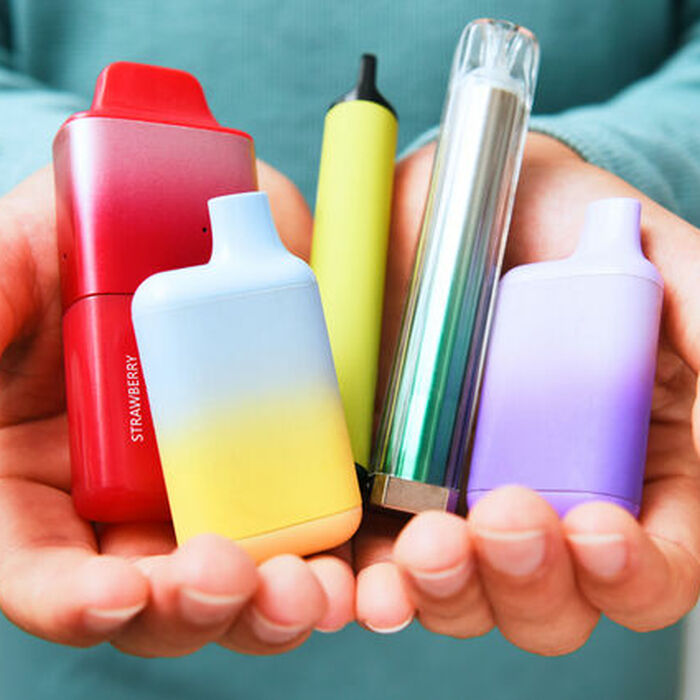
Vaping is the act of inhaling and exhaling an aerosol—a mixture of particles suspended in a heated gas—produced by an electronic device. It’s important to understand that vaping is a delivery method, not a substance. The same device can be used to inhale nicotine, cannabis, or other substances, including products marketed as wellness or health aids.
This distinction is often overlooked: vaping is not tied to a single substance. It's tied to cannabis, nicotine, as well as wellness substances. Heating substances can change their chemistry, so inhaling anything this way carries real risk to the body.
To understand vaping, you need to consider the device, what’s inside, and what actually enters your body when you inhale. This page breaks it all down.
What is Vaping?
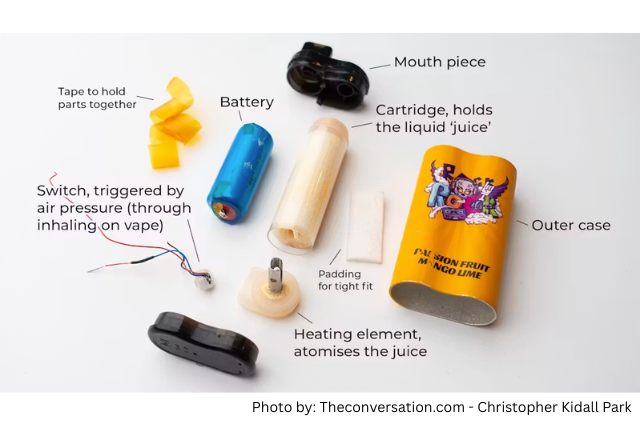
Vaping devices go by a variety of names, and are often referred to as e-cigarettes, vapes, vape pens, e-pens, or e-cigs. They are electronic devices designed to heat a liquid into aerosol.. This device typically includes:
- A battery (which can malfunction and cause fires or explosions)
- A cartridge, pod, or tank pre-filled or refillable with liquid
- A heating element (coil) that aerosolizes the liquid
When the coil heats up, tiny pieces of metal — including nickel and tin — can break off and become part of the aerosol that is inhaled into the lungs, regardless of what substance is in the device.
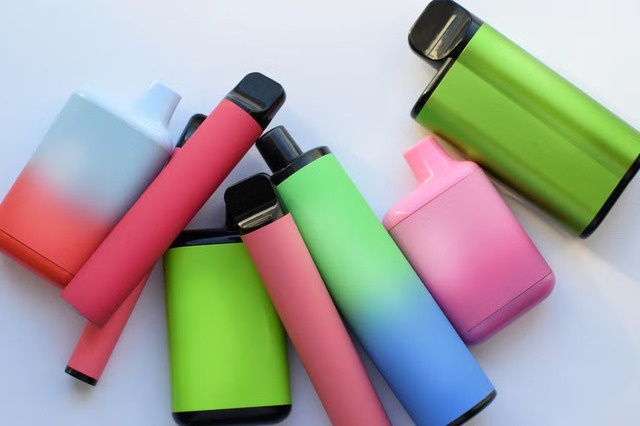
Vaping devices can be used to inhale a wide range of substances:
- Nicotine: the substance vaped in e-cigarettes, and is a product marketed for adults and teens.
- Nicotine salts (nic salts) -Often added to nicotine vapes, nicotine salts are a form of nicotine that is smoother on the throat and absorbs into the body much more rapidly than the type of nicotine found in cigarettes. This means nicotine’s impact on the brain is more intense as it is delivered faster, increasing addiction potential, even at high concentrations
- Cannabis / THC: cannabis vaping products are increasingly popular and come in youth-friendly designs and flavors. Slang for cannabis vapes includes dab pen, wax pen, stick, dart, e-rig, benjamine.
- CBD products: Some products are marketed as non-psychoactive or therapeutic, but are not regulated and can still carry health risks
- "Health and wellness” vaping products: a growing category of devices marketed to deliver vitamins (like B12), vitamin additives, melatonin, essential oils, herbal extracts, and other supplements. Companies market these as safe, natural, or even beneficial, but the science does not support these claims.
- Other substances: flavoring compounds, and other substances that are often inadequately studied for inhalation safety
The device does not make a substance safe, and all vaping products are not regulated. This means they can be sold without independent checks to confirm their claims or make sure they are safe to use. Strong rules also help prevent youth use by restricting marketing and sales to minors.
What you can do
-
Educate yourself
Learn what's in the liquid of vaping devices and chemicals found in the aerosols, and what substances can be delivered through them.
-
-
Say no
Knowing how to navigate peer pressure is a real skill. Practice it.
-
Seek help
If you or someone you know wants to stop vaping, support is available.
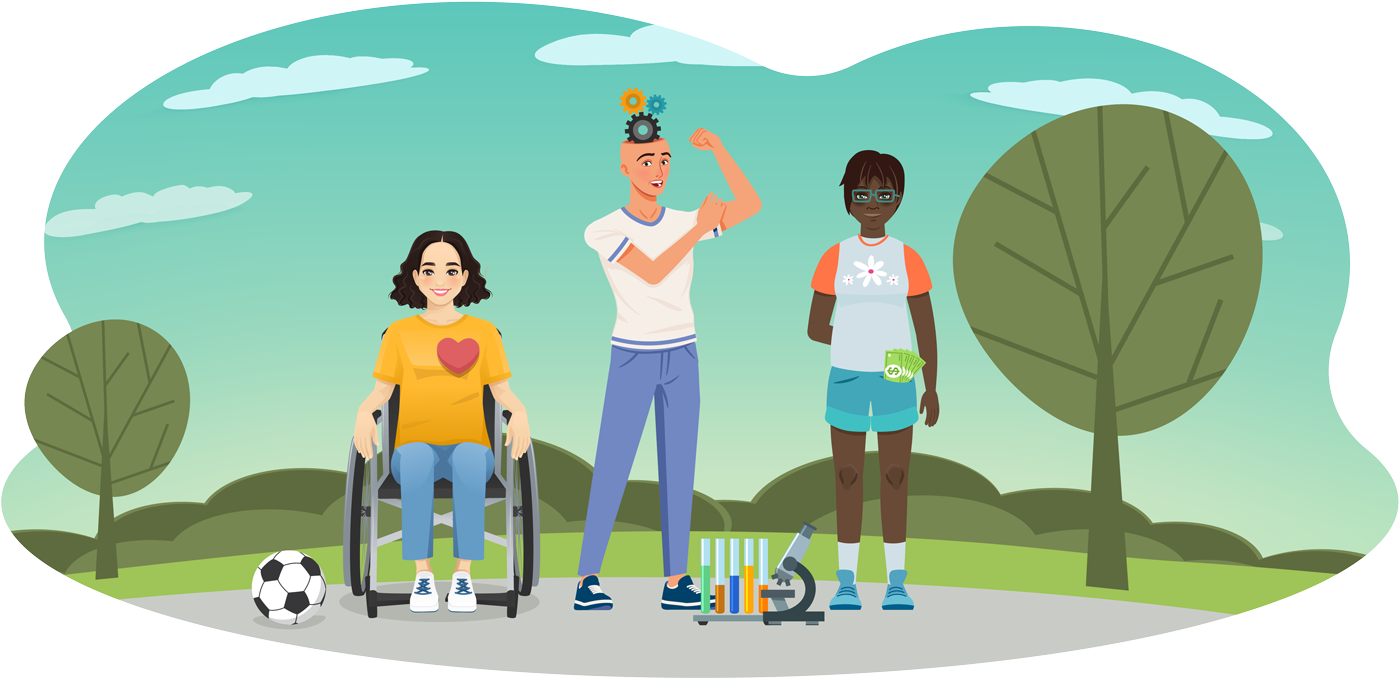
Why It Matters
Vaping might look like steam — harmless, almost invisible. But what's inside that aerosol can cause serious and lasting harm, regardless of what substance is being vaped. The risks depend on what's in the device, but no vaping is risk-free.
It's not just what is being vaped that is harmful, but the amounts and frequency that are also dangerous. Vapes allow a person to take in a substance faster and in higher concentrations than many other delivery methods.
-

Brain Impact
Vaping cannabis and nicotine during adolescence alters brain development, changing how synapses form and affecting learning, mood, and impulse control
The adolescent brain is especially vulnerable to addiction. The rapid delivery of substances through vaping also increases addiction risk.
-

Physical Health Impact
-
Inhaled chemicals, whether from nicotine or cannabis vaping, cause lung inflammation and irritation even in otherwise healthy individuals.
-
Malfunction of vaping devices can lead to fires or explosions, causing burns and facial injuries.
-
Accidental exposure to e-liquid, through skin contact or ingestion, can cause nicotine poisoning, especially dangerous for young children or pets.
Lung Impact
-
EVALI (e-cigarette or vaping product use-associated lung injury) is a serious, potentially life-threatening condition linked to vaping.
-
Vaping damages cilia, the airway's natural defense system.
Ultrafine particles travel deep into the lungs, causing scarring and inflammation.
- Heating flavoring chemicals creates new toxic compounds linked to lung disease.
-
Vaping impairs the lung's ability to fight off infections and can trigger asthma flare-ups.
-
-

Mental Health Impact
Vaping-delivered nicotine can worsen anxiety and depression
The rapid delivery of substances through vaping increases addiction risk and can intensify mood disruption during withdrawal
Cannabis vaped at high concentrations may increase the risk of paranoia, psychosis, and anxiety, especially in young users
-

Social Impact
-
Vaping is often framed as social, but peer pressure to participate can rapidly lead to dependence
-
Students who vape may face disciplinary consequences at school
-
Secrecy around vaping can strain relationships with family and caregivers
-
-

Financial Impact
The cost of devices, replacement pods, coils, and e-liquid adds up to hundreds or thousands of dollars per year
Disposable vapes are particularly expensive relative to how quickly they're consumed
Fines and legal consequences for underage possession or use of cannabis/THC vapes and vaping in a smoke-free zone.
-

Environmental Impact
Discarded vaping devices, pods, and cartridges contribute to growing electronic waste
E-liquid spills leak harmful chemicals into soil and water
Many vaping products contain plastics and metals that don't biodegrade
-

Extracurriculars & Athletics Impact
Vaping impairs lung capacity and cardiovascular performance
The body's ability to recover from injury or illness is slowed
Fatigue and health effects can mean missed practices, performances, or games
-
Other surprising impacts of vaping
-
Many e-cigarette devices come with the risk of malfunction. This can lead to fires or explosions that can cause serious injuries, including burns and facial trauma.
-
Accidental exposure to e-liquid—either by swallowing or through skin absorption—can result in life-threatening consequences, especially for young children or pets who encounter improperly stored vapes.
-
Vape aerosol contains harmful chemicals like nicotine, formaldehyde, and Volatile Compounds posing risks to bystanders especially those with respiratory conditions.
-
Resources to Quit or Learn More
-
Quit Partner (Minnesota)
- quitpartnermn.com Free coaching for ages 18+
- Phone: 1-800-QUIT-NOW
-
My Life, My Quit™ (Ages 13–17)
- Text "Start My Quit" to 36072
- Call 1-855-891-9989 to speak with a coach
- Confidential. Built for teens.
-
Truth Initiative — Outsmart Nicotine
- truthinitiative.org/outsmart-nicotine
- Text EXPROGRAM to 88709 (ages 13–24)
-
teen.smokefree.gov
- Tools, tips, and support for teens who want to quit
-
Wisconsin Quit Line
-
Substance Abuse and Mental Health Services Administration (SAMHSA)
Vaping devices have become harder to identify and easier for teens to hide. Staying informed about what vaping devices look like, what substances they can deliver, and how to open up non-judgmental conversations with your teen is one of the most effective things a caregiver can do. Visit the Confident Caregiver Page for tools and resources.
This project is possible, fully or in part, as a result of grant funding recommended by the Opioid Epidemic Response Advisory Council (OERAC) and the Minnesota Department of Human Services. The views expressed in this publication do not necessarily reflect the official policies the Minnesota Department of Human services; nor mention of trade names, commercial practices, or organizations imply endorsement by the state of Minnesota.