

Cannabis has a long and complex history in the United States. Health messaging and policy related to cannabis use has evolved significantly over time. These changes can lead to confusion and a general distrust of current public health messages. Understanding the history of cannabis policy and messaging can help answer questions and provide youth with context for current discussions about cannabis.
Messages about Cannabis have Changed Over Time
Historically, people using cannabis have been portrayed as harmful to individual and community health. This fear-based messaging often villainized indigenous people, immigrants, and African Americans. For example, prior to the passage of the Marijuana Tax Act in 1937 which criminalized cannabis, Harry Anslinger argued cannabis use made Black men aggressive and a threat to white women.
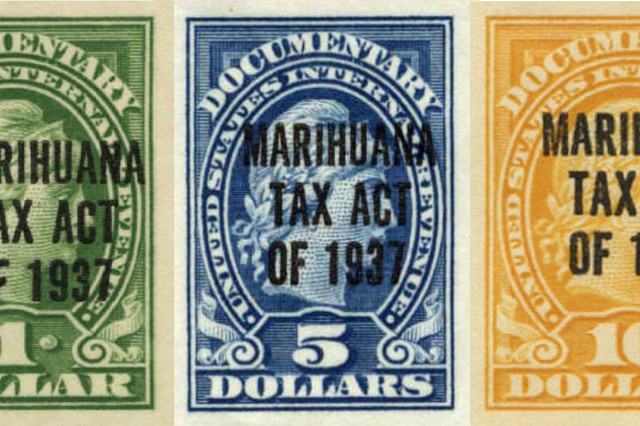
Historically, people using cannabis have been portrayed as harmful to individual and community health. This fear-based messaging often villainized indigenous people, immigrants, and African Americans. For example, prior to the passage of the Marijuana Tax Act in 1937 which criminalized cannabis, Harry Anslinger argued cannabis use made Black men aggressive and a threat to white women (Holifield, 2013).
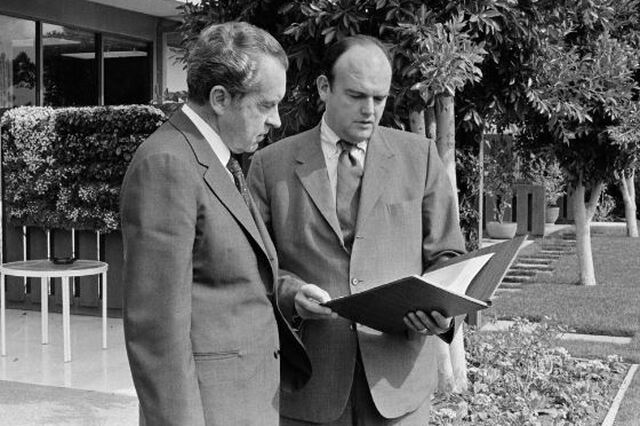
The War on Drugs was launched in the United States in the early 1970s and employed various strategies to restrict the production, distribution, and use of cannabis. This effort led to harsh penalties and strict enforcement, contributing to mass incarceration and disproportionately harming communities of color. John Ehrlichman, Nixon's counsel and Assistant for Domestic Affairs, was quoted saying, “by getting the public to associate the hippies with marijuana and blacks with heroin, and then criminalizing both heavily, we could disrupt those communities... Did we know we were lying about the drugs? Of course we did.” (Baum, 2016).
Cannabis General History Timeline - Good & Bad
The timeline below summarizes this history, including how public perception of cannabis has changed over time. While it's true most messages about cannabis over the last several decades have been used to target specific communities, it is also true cannabis poses risks to health and well-being. This is due to certain properties of the plant itself, not any one individual or community using cannabis. Shifting away from this fear-based messaging is essential to increasing understanding of and trust in public health messaging, especially among communities most harmed by such messages over time.
Ancient to 1800s
- Ancient Civilizations: Cannabis used in China, India, and the Middle East for medicine, rituals, and fiber (as early as 2700 BCE in Chinese medical texts).
- 1600s-1800s (U.S.): Hemp widely grown for rope, sails, and paper. George Washington and Thomas Jefferson both grew hemp. Cannabis tinctures were sold in U.S. pharmacies.

Early 1900s
Early 1900s
- 1910s-1920s: After the Mexican Revolution, Mexican immigrants brought cannabis smoking culture to the U.S. Many famous black jazz musicians (Louis Armstrong, Billie Holiday, Cab Calloway) used cannabis in social and creative spaces.
- 1930s: Harry Anslinger, head of the Federal Bureau of Narcotics, launched a propaganda campaign. He claimed cannabis made “colored people” violent and said it led white women to seek sex with Black men. This message was amplified by the largest newspaper chain in the country at the time, owned by William Randolph Hearst.
- 1936: An anti-marijuana film, titled “Reefer Madness,” is released.
- 1937: Marijuana Tax Act effectively criminalizes cannabis.
1940s-1960s
1940s-1960s
- WWII: “Hemp for Victory” campaign encouraged farmers to grow hemp for rope. After the war, bans resumed.
- 1950s-60s: Cannabis tied to beatnik and counterculture movements. Many civil rights activists and musicians using cannabis were surveilled by the FBI.
1970s-1990s
1970s-1990s
- 1970: Controlled Substances Act classified cannabis as Schedule 1, the most restrictive category (drugs deemed to have no medical benefit and the highest potential for abuse).
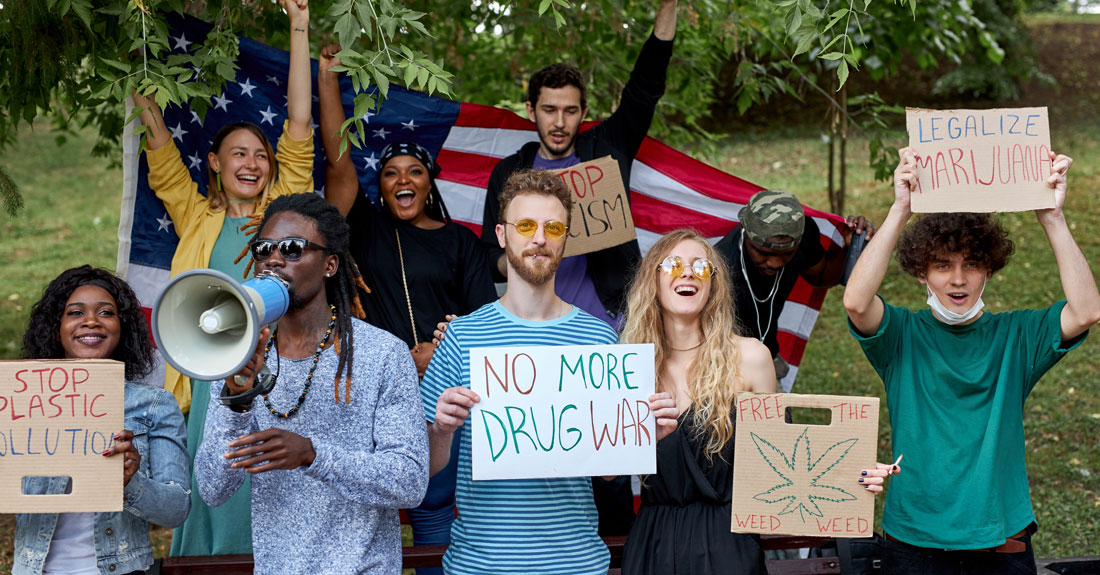
- 1971: Nixon declared “War on Drugs.” Nixon aide John Ehrlichman later stated the war was designed to “disrupt the Black community and anti-war left.”
- 1980s-1990s: Reagan's Anti-Drug Abuse Acts imposed harsh mandatory minimums. By the 1990s, Black people were arrested nearly 4x more often than whites for cannabis despite similar usage (ACLU, 2013).
1990s-2010s
1990s-2010s
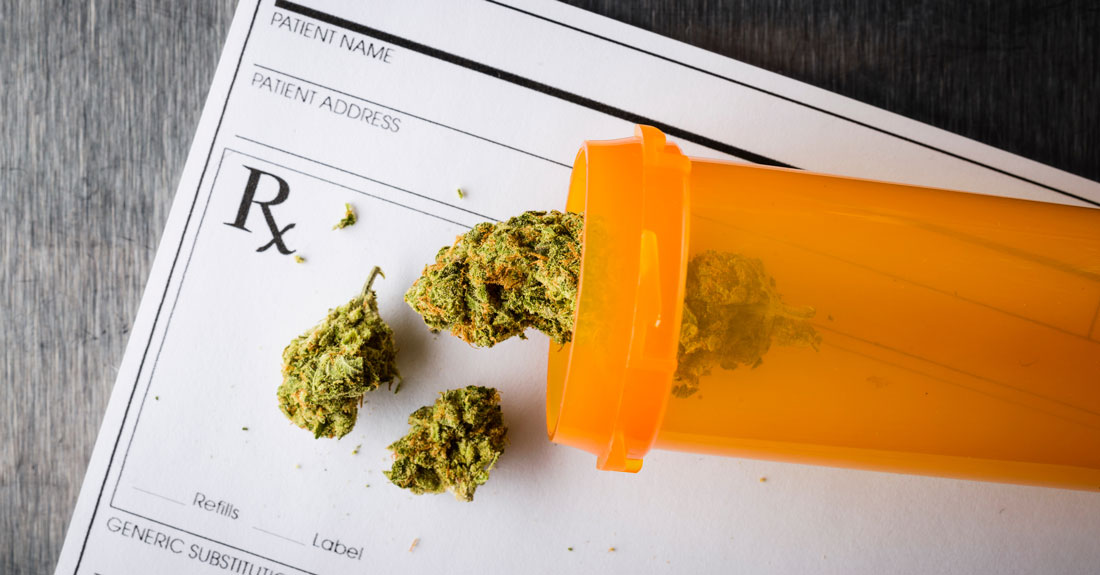
- 1996: California legalized medical cannabis (Proposition 215).
- 2000s: Research on cannabis medical benefits expanded. This included findings associating cannabis with positive outcomes for pain relief, epilepsy, and PTSD (National Academies, 2017).
2010s-Present
2010s-Present
- 2012: Colorado & Washington legalized recreational cannabis.
- 2018: Farm Bill legalized industrial hemp federally.
- 2020s: Over 20 states have legalized recreational cannabis, but participation in cannabis business varies by race. A 2017 survey from Marijuana Business Daily found 19% of respondents who launched a cannabis business and/or have an ownership stake in a marijuana company are racial minorities. Some states are leading efforts to increase representation of underrepresented communities in the cannabis industry, such as the Division of Social Equity within Minnesota's Office of Cannabis Management.Some tribes pursue cannabis cultivation and dispensaries as an exercise of sovereignty and economic independence, which led to the creation of the Indigenous Cannabis Industry Association (ICIA) in 2022. However, federal prohibition still applies on tribal lands and contributes to conflict.
History Shapes the Present
While we don’t often hear about the War on Drugs and its associated policies today, it continues to have lasting impacts. We now know fear-based messaging is ineffective in substance use prevention, and long-held beliefs and practices can be difficult to disrupt. Thus, individuals and communities of color continue to face disproportionate effects.
-
African Americans are 3.5 times more likely than whites to be arrested for cannabis.
However, data shows use rates are about the same across races. This was found in a 2024 report by the Drug Policy Alliance and Human Rights Watch.
-
Immigrants are disproportionately punished for cannabis possession.
A 2024 report analyzing federal government data between October 2002 and February 2020 found that the United States government deported over 47,000 people for cannabis use or possession. This despite possession no longer being illegal in most states where these individuals were residing at the time of deportation.
-
Cannabis convictions make it more difficult to obtain housing, jobs, and an education.
Since the enforcement of cannabis laws is unequal, Latinx and African Americans are disproportionately affected by this stigmatization.
Knowing this history can help caregivers and trusted adults talk to young people about the varying messages they may have heard about cannabis. Having honest conversations builds trust and encourages youth to think critically about health messages they encounter and make safer choices. For more, visit the Confident Caregiver page.
Sources
- American Civil Liberties (ACLU, 2013). “Report: The War on Marijuana in Black and White.” ACLU Research & Analysis. Accessed Nov 2025. Available from: https://www.aclu.org/publications/report-war-marijuana-black-and-white
- (2020). “A Tale of Two Countries: Racially Targeted Arrests in the Era of Marijuana Reform.” ACLU Research & Analysis. Accessed Nov 2025. Available from: https://www.aclu.org/publications/tale-two-countries-racially-targeted-arrests-era-marijuana-reform
- (2020). “Extreme Racial Disparities Persist in Marijuana Arrests.” ACLU Graphics. Accessed Nov 2025. Available from: https://graphics.aclu.org/marijuana-arrest-report/
- Baum, D. (2016). “Legalize it All. How to Win the War on Drugs.” Harper’s Magazine. Accessed Nov 2025. Available from: https://harpers.org/archive/2016/04/legalize-it-all/
- Burger, J., & Kapron, M. (2017). “Drug Policy and Indigenous Peoples.” Health and human rights, 19(1), 269–278. Available from: https://pmc.ncbi.nlm.nih.gov/articles/PMC5473056/
- Cooper, H.L. (2016). “War on Drugs Policing and Police Brutality.” Substance use & misuse, 50(8-9), 1188–1194. https://doi.org/10.3109/10826084.2015.1007669
- Daniels, C., Aluso, A., Burke-Shyne, N. et al. (2021). “Decolonizing drug policy.” Harm Reduct J18, 120. https://doi.org/10.1186/s12954-021-00564-7
- Holifield, M. (2013). "Blowing Smoke: Harry Anslinger and the Marijuana Tax Act of 1937.” Arkansas State University Student Theses and Dissertations. 807. Available from: https://arch.astate.edu/all-etd/807
- Kobryn-Dietrich, (2025). “Indigenous Sovereignty And Canadian Drug Laws.” McMaster University PhD dissertation. Available from: https://prod-ms-be.lib.mcmaster.ca/server/api/core/bitstreams/d9f945db-7f1a-4a93-ab89-e50895ac6bcd/content
- National Academies of Sciences, Engineering, and Medicine; Health and Medicine Division; Board on Population Health and Public Health Practice (2017). “Committee on the Health Effects of Marijuana: An Evidence Review and Research Agenda. The Health Effects of Cannabis and Cannabinoids: The Current State of Evidence and Recommendations for Research.” Washington (DC): National Academies Press (US); Therapeutic Effects of Cannabis and Cannabinoids. Available from: https://www.ncbi.nlm.nih.gov/books/NBK425767/#
- Owusu-Bempah, A. and Luscombe, A. (2021). “Race, cannabis and the Canadian war on drugs: An examination of cannabis arrest data by race in five cities.” International Journal of Drug Policy, Volume 91. https://doi.org/10.1016/j.drugpo.2020.102937.
- Solomon, (2020). “Racism and Its Effect on Cannabis Research.” Cannabis and cannabinoid research, 5(1), 2–5. https://doi.org/10.1089/can.2019.0063
- Stanley, J. (2011). “The War on Drugs and the Surveillance Society.” ACLU News & Commentary. Accessed Nov 2025. Available from: https://www.aclu.org/news/smart-justice/war-drugs-and-surveillance-society
- Taifa, N. (2021). “Race, Mass Incarceration, and the Disastrous War on Drugs.” Brennan Center for Justice. Accessed Nov 2025. Available from: https://www.brennancenter.org/our-work/analysis-opinion/race-mass-incarceration-and-disastrous-war-drugs
- Vance, A. (2018). “From ‘Indian Hemp’ to the ‘New Cannabis’ in Canada: The Racial Contract and Cannabis Criminalization and Licensing in a British Settler ” University of British Columbia. Available from: https://open.library.ubc.ca/soa/cIRcle/collections/ubctheses/24/items/1.0372372
This project is possible, fully or in part, as a result of grant funding recommended by the Opioid Epidemic Response Advisory Council (OERAC) and the Minnesota Department of Human Services. The views expressed in this publication do not necessarily reflect the official policies the Minnesota Department of Human services; nor mention of trade names, commercial practices, or organizations imply endorsement by the state of Minnesota.